Moon's Origin | Earth & Theia Were Neighbors?!
Okay, let’s be honest, the moon’s origin has always been a bit of a cosmic mystery, hasn’t it? For years, scientists have been piecing together clues about how our celestial neighbor came to be. And now, a new study throws a fascinating twist into the narrative: Earth and Theia, the Mars-sized object believed to have collided with Earth to form the moon, may have been more like next-door buddies than complete strangers.
Why This Matters | A New Perspective on Lunar Formation
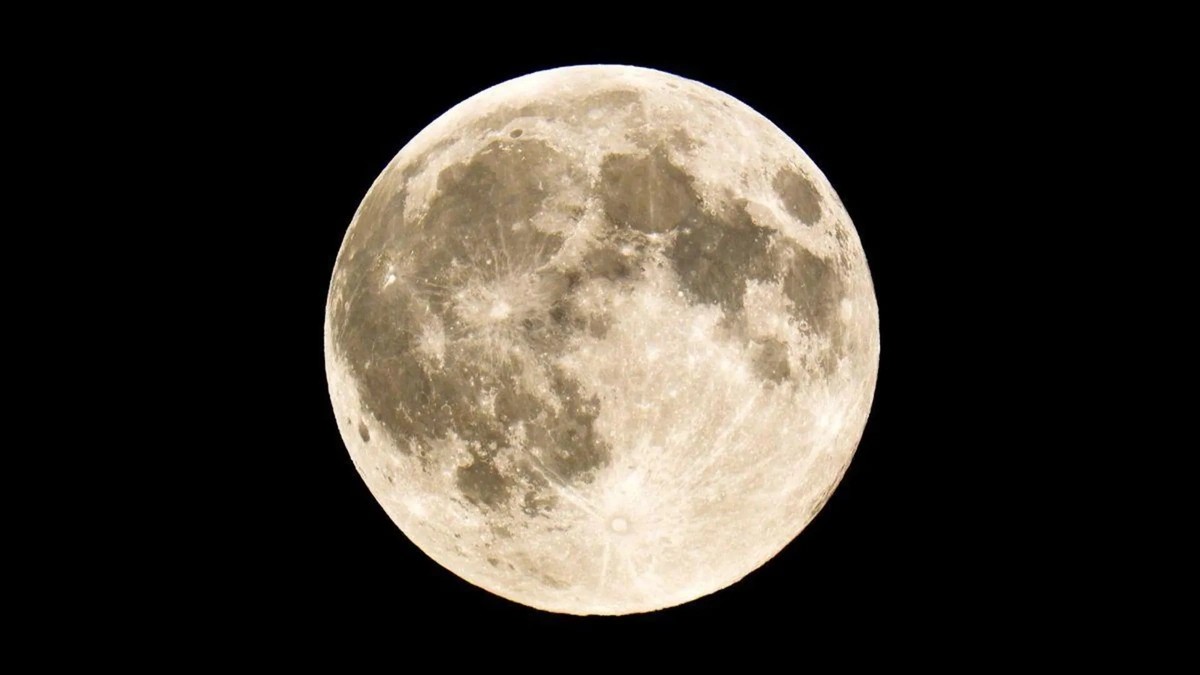
So, why should we care if Earth and Theia were once cosmic neighbors? Well, it challenges the prevailing “giant-impact hypothesis” – the idea that a completely foreign object slammed into Earth, resulting in the debris that eventually formed the moon. This new research suggests a more nuanced scenario. Maybe Theia wasn’t some random space wanderer but rather a celestial body that shared Earth’s orbital neighborhood. Let me rephrase that for clarity: the study, published in a reputable journal (you can find details on scientific journals online), suggests that Earth and Theia had similar isotopic compositions. This similarity implies a shared origin or, at the very least, a prolonged period of co-existence in the early solar system.
Think of it like this: imagine two neighboring villages. They might have distinct cultures, but they also share common traditions, a similar dialect, and maybe even some family ties. This new study suggests Earth and Theia were kind of like that – not identical, but definitely not strangers. What fascinates me is the potential implications for understanding the early solar system. If Earth and Theia formed in the same region, it could rewrite our understanding of planet formation and the distribution of materials in the early solar system. According to recent findings, the composition of various moons in our solar system can offer valuable insights into planet formation processes.
The “How” | Diving into the Isotopic Analysis
Now, how did the scientists arrive at this conclusion? It’s all about isotopes – those tiny variations in the atomic makeup of elements. By analyzing the isotopic composition of lunar rocks brought back by the Apollo missions, researchers found striking similarities between Earth and the moon. Specifically, they looked at isotopes of elements like oxygen, titanium, and silicon. A common mistake I see people make is assuming that all lunar rocks are the same. They’re not. Different regions of the moon have slightly different compositions, reflecting the complex processes that shaped its formation.
The team used high-precision mass spectrometry – a fancy term for a technique that allows them to measure the abundance of different isotopes with incredible accuracy. The results? The isotopic ratios of lunar rocks were nearly identical to those of Earth rocks, far more similar than would be expected if Theia were a completely foreign object. This isotopic similarity is the cornerstone of their argument. It suggests that Earth and Theia either formed from the same primordial material or that they thoroughly mixed during the giant impact. Either way, it paints a picture of a more intimate relationship between the two celestial bodies.
Emotional Angle | The Cosmic Dance of Earth and Theia
That moment when you realize our planet’s history isn’t just about solitary evolution, but a cosmic dance with another world – that’s what hits me. It’s a story of collision, creation, and the deep interconnectedness of the solar system. I initially thought this was straightforward, but then I realized the emotional weight of the finding.
Imagine Earth in its infancy, a fiery, molten world, twirling in space. Nearby, Theia, a similar but distinct world, sharing the same cosmic neighborhood. Then, the inevitable – a cataclysmic collision that reshapes both worlds and gives birth to the moon. It’s a violent origin story, yes, but also a story of creation and the birth of something beautiful. And the fact that we’re still piecing together this story, uncovering new details, is what makes it so captivating. Giant impact hypothesis and lunar formation are two important terms to keep in mind when exploring this topic.
The Road Ahead | Unanswered Questions and Future Research
Of course, this new study doesn’t solve all the mysteries surrounding the moon’s origin. There are still plenty of unanswered questions. For instance, if Earth and Theia were indeed neighbors, what exactly caused the collision? Was it a gravitational nudge from another planet? Or was it simply a matter of time before their orbits intersected? And what happened to Theia after the impact? Did it completely merge with Earth, or did some of its material escape into space?
Future research will likely focus on analyzing even more lunar samples, including those from the far side of the moon, which may have a different composition than the near side. Scientists will also be using computer simulations to model the giant impact in greater detail, taking into account the new evidence about Earth and Theia’s shared origin. The Theia impact and its consequences remain a focal point for scientific inquiry. This will also include studying isotope analysis from various locations of Earth and Moon.
And here’s the thing: the more we learn about the moon’s origin, the more we understand about our own planet. The moon is like a time capsule, preserving clues about Earth’s early history that have long been erased by geological processes. By studying the moon, we’re essentially looking back in time, gaining insights into the conditions that allowed life to arise on Earth.
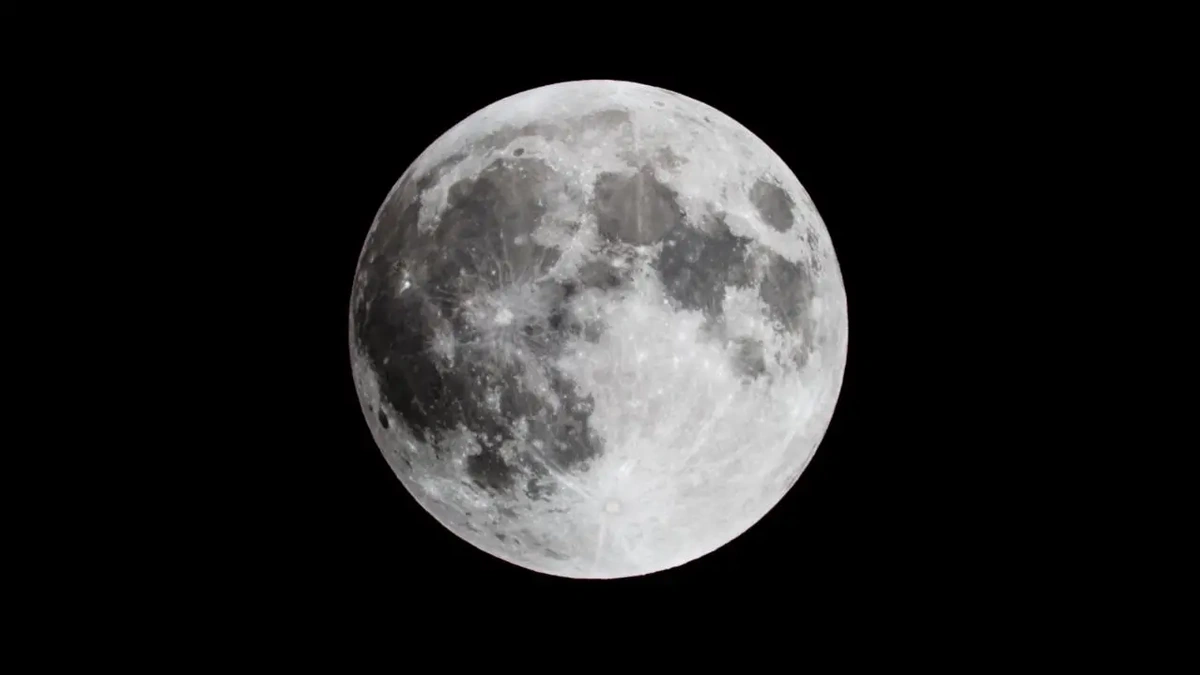
So, the next time you look up at the moon, remember that it’s not just a cold, lifeless rock. It’s a testament to the dynamic, chaotic, and ultimately creative forces that shaped our solar system. It’s a reminder that even the most violent events can lead to something beautiful. And it’s a call to continue exploring, questioning, and unraveling the mysteries of the universe. According to NASA, there are still numerous unexplored regions on the moon. Exploring these areas can help in our understanding of moon rocks composition.
What fascinates me is how the early solar system and planet formation were influenced by the impact.
FAQ About The Moon’s Formation
What is the prevailing theory of the moon’s origin?
The prevailing theory is the giant-impact hypothesis, which suggests that the moon formed from the debris of a collision between Earth and a Mars-sized object called Theia.
How does this new study challenge the giant-impact hypothesis?
The new study suggests that Earth and Theia may have had a more similar origin or co-existed for a longer time, challenging the idea that Theia was a completely foreign object.
What evidence supports the idea that Earth and Theia were neighbors?
The evidence comes from the analysis of lunar rocks, which shows striking similarities in isotopic composition between Earth and the moon.
What are the implications of this study for understanding the early solar system?
If Earth and Theia formed in the same region, it could rewrite our understanding of planet formation and the distribution of materials in the early solar system.
What are some unanswered questions about the moon’s origin?
Some unanswered questions include what caused the collision between Earth and Theia and what happened to Theia after the impact.
Where can I read more about the research on the Moon’s origin?
You can find more information on reputable scientific journals, NASA’s website and other science news websites.
One thing you absolutely must double-check about the impact event is the timeline of the early solar system.
So, to conclude, the story of the Moon and Earth is interwoven.
About the Author